




Across many consumer industries, promotional “freebies” have become one of the most common tools used to attract attention. From streaming trials to retail discounts, the language of bonus value is now deeply embedded in how companies compete for customers. In the betting sector, free bet incentives are one of the clearest examples of this trend: offers framed as extra credit, matched stakes, or bonus rewards are frequently used to shape how people enter and interact with gambling environments.
These incentives are often presented as harmless perks, but they carry structured terms, behavioral effects, and psychological influence. Understanding how betting freebies work is less about learning how to use them and more about recognizing what they represent: marketing mechanisms designed to guide decision-making in a high-risk activity.
In this sense, “free bets” are not simply gifts. They are conditional offers embedded in a system where the outcome remains uncertain and where participation carries real financial and emotional consequences.
Why “free” is such a powerful word
The appeal of the word “free” is not unique to gambling. Behavioral researchers have long noted that consumers respond disproportionately to offers framed as free, even when the objective value is limited or conditional.
The term creates a perception of reduced risk. When something feels free, people often interpret it as an opportunity rather than a transaction. This effect can override more careful evaluation of terms, probabilities, or long-term cost.
In betting contexts, this psychological pull can be especially strong because wagering already involves uncertainty. A “free” incentive may feel like a buffer against loss, even though the underlying system still depends on chance.
What betting freebies typically represent
Betting freebies are usually structured as promotional credits rather than cash. They are designed to encourage account creation, initial deposits, or continued engagement. While formats vary, the central idea is consistent: the customer receives a bonus only after meeting qualifying conditions.
This is what separates a free bet from a true gift. It is not unconditional. It is part of a commercial exchange where the operator expects increased participation in return.
Understanding this distinction is important because it reframes the offer. A free bet is less like found money and more like a marketing incentive that comes with constraints.
Common bonus terms that shape real value
Bonus offers are often surrounded by specific terms that determine how they function. These conditions are not secondary details; they define the practical meaning of the incentive.
One common condition is the qualifying stake requirement. Many offers require a user to place a bet with their own funds before any bonus credit is issued. This means participation comes first, reward second.
Another frequent condition involves minimum odds thresholds. Operators may specify that only bets above a certain odds level qualify. This can subtly shape consumer behavior by nudging users toward riskier selections.
Expiry periods also matter. Bonus credits often must be used within a limited timeframe, which can create urgency and reduce deliberation. When an offer expires quickly, the user may feel pressured to act rather than pause.
Finally, stake-return rules are significant. In many online gambling environments, incentives such as betting freebies are presented as routine perks, even though they often carry specific conditions that shape how people engage with risk and decision-making.
The behavioral role of incentives in gambling environments
Betting promotions operate within a broader behavioral ecosystem. Gambling is not a typical consumer purchase because it involves probability, emotional swings, and the possibility of repeated loss.
Incentives can encourage continued engagement by making the activity feel less costly in the short term. Even when the bonus is small, it can prolong participation, especially for those who interpret it as an extra chance to win.
This is one reason why promotional structures are closely studied in discussions about gambling harm. They do not create risk on their own, but they can amplify participation patterns that already carry uncertainty.
Framing effects and perceived control
Another important psychological dimension is perceived control. Betting environments often encourage the belief that knowledge, strategy, or timing can influence outcomes, even in markets that remain fundamentally probabilistic.
Free bet offers can reinforce this perception. A user may feel they are making a “smart” choice by using a bonus, even though the outcome remains governed by chance.
This does not mean individuals are irrational, but it highlights how incentives interact with normal cognitive biases. People are drawn to opportunities that feel like advantages, especially in competitive or uncertain settings.
The normalization of gambling through everyday marketing language
One cultural shift in recent years is the normalization of betting language through mainstream advertising. Promotions are often framed in the same tone as retail perks or entertainment subscriptions.
This matters because it can blur the boundary between ordinary consumption and gambling participation. When betting incentives are presented as routine “freebies,” the activity may feel less risky than it actually is.
Understanding bonus terms therefore becomes part of consumer literacy. It is a way of recognizing when marketing language is masking the reality of financial exposure.
Responsible interpretation versus promotional optimism
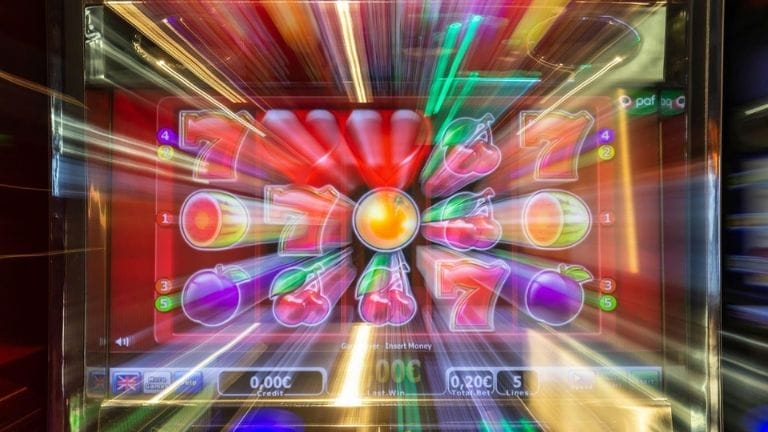
Photo by Joakim Honkasalo on Unsplash
A key challenge with betting freebies is that they are often interpreted through optimism. The offer is seen as an opportunity to win rather than a condition to participate.
A more grounded interpretation views them as engagement tools. They are designed to increase activity, not to provide guaranteed benefit. The operator’s business model depends on volume and retention, which is why incentives exist.
This does not require moral judgment, but it does require clarity. Promotions are not neutral. They are structured mechanisms within a profit-driven system.
Why reading terms matters in high-risk contexts
In most consumer contexts, failing to read promotional terms may result in minor inconvenience. In gambling contexts, the stakes can be higher because the activity involves repeated financial risk.
Bonus conditions shape how long someone stays engaged, what kinds of bets they place, and how they interpret outcomes. Understanding the terms is therefore not just technical, it is protective.
Consumer awareness is one of the most important counterbalances to marketing intensity.
Incentives as part of a broader consumer trend
Betting freebies are one example of a larger economic pattern: industries increasingly compete through incentives rather than through core product differentiation alone.
The difference is that gambling incentives operate in an environment where losses are built into the system for most participants over time. This makes promotional literacy especially important.
Understanding these offers is ultimately about understanding the role of incentives in shaping behavior, not about maximizing reward.
A clearer way to think about betting freebies
Betting freebie offers are not simply bonuses. They are structured, conditional incentives designed to increase participation in a probabilistic activity.
They influence decision-making through urgency, framing, and perceived reduced risk. They normalize engagement through familiar marketing language. And they require careful interpretation because the financial exposure remains real, regardless of promotional framing.
In that sense, the most important understanding is not what the bonus is called, but what it does: it changes how gambling is experienced, and it shapes habits in ways that are often subtle but meaningful.